
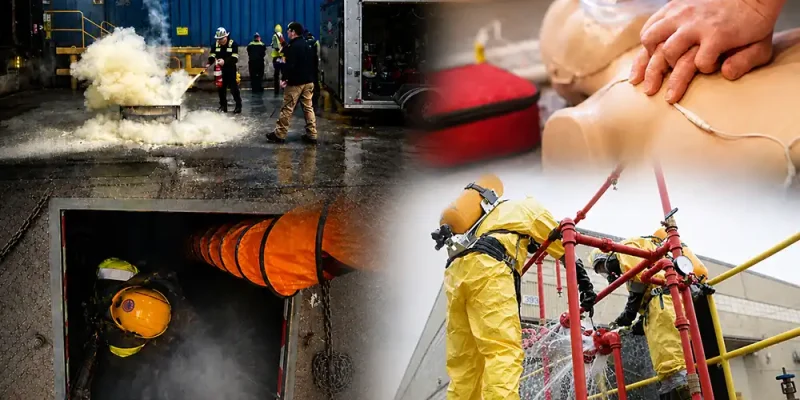
Summer Workplace Safety Training: Is Your Team Prepared for Heat, Injuries, and Emergencies?
Summer can create unique safety challenges for many workplaces. Outdoor crews, construction teams, manufacturing facilities, warehouses, maintenance departments, municipalities, schools, and event staff may all face increased exposure to heat, fatigue, dehydration, sudden illness, slips, burns, cuts, and other job-related injuries during warmer months.
That is why summer workplace safety training should be more than a seasonal reminder. It should be part of a practical preparedness strategy that helps employees understand workplace hazards, follow emergency procedures, and respond appropriately when an incident occurs.
Firefighter Safe provides professional safety training for businesses in Dayton, Cincinnati, Columbus, and organizations across the United States. Our instructor-led programs are designed to help teams build real-world readiness through practical, workplace-focused education.
Why Summer Safety Training Matters for Employers
During the summer, many workplaces operate under different conditions than they do the rest of the year. Employees may work longer hours, perform more outdoor tasks, wear PPE in hot environments, support seasonal operations, or manage increased activity around facilities, construction sites, events, and industrial work areas.
Common summer workplace concerns may include:
- Heat stress and heat-related illness
- Dehydration and fatigue
- Increased physical strain
- Burns, cuts, sprains, and falls
- Outdoor work hazards
- Emergency response delays in remote or large work areas
- AED and first aid readiness gaps
- Fire extinguisher access and response awareness
- Confined space and high-hazard work performed in warmer conditions
OSHA identifies heat as a serious hazard for both outdoor and indoor workers and continues to emphasize prevention practices, worker training, and employer awareness around heat-related hazards. OSHA’s updated National Emphasis Program for Outdoor and Indoor Heat-Related Hazards became effective April 10, 2026, and is intended to focus outreach, compliance assistance, and enforcement efforts in higher-risk industries.
For employers, the goal is not simply to “check a box.” The goal is to make sure workers understand the hazards they may face, know how to report concerns, and are prepared to respond when something goes wrong.
Heat Hazards Are Not Limited to Outdoor Crews
Many employers associate heat exposure with construction, landscaping, road work, utilities, and other outdoor jobs. Those environments are certainly important, but heat-related risks can also affect indoor workplaces.
Warehouses, manufacturing facilities, kitchens, mechanical rooms, maintenance areas, laundries, foundries, and facilities with poor ventilation or heat-generating equipment may also create elevated heat conditions. OSHA notes that heat hazards can affect outdoor and indoor work settings, especially where adequate climate controls are not present.
This makes summer workplace safety training valuable for many different industries, including:
- Construction and contractors
- Manufacturing and industrial facilities
- Warehouses and distribution centers
- Municipal and public works departments
- Schools and campuses
- Healthcare support teams
- Event venues and recreation facilities
- Property management and maintenance teams
- Utilities and field service crews
Employers should evaluate their specific job tasks, work areas, written safety programs, environmental conditions, PPE use, and emergency response procedures to determine what training and prevention measures are appropriate.
What Employees Should Understand About Heat Stress
Heat stress can affect worker performance, judgment, coordination, and overall safety. When employees do not recognize early warning signs or do not know how to respond, a manageable situation can become more serious.
NIOSH recommends that employers provide training so workers understand what heat stress is, how it can affect health and safety, and how it can be prevented. NIOSH also notes that prevention should include engineering controls and administrative, or work-practice, controls where heat stress is a workplace hazard.
A strong summer safety training program may help employees understand:
- How heat affects the body
- Why hydration and rest breaks matter
- The importance of reporting symptoms early
- How PPE may increase heat burden
- Why new or returning workers may need time to acclimatize
- How supervisors should respond to heat-related concerns
- When emergency medical services should be activated
This type of training should be matched to the workplace. A warehouse employee, a road crew, and a confined space entrant may face different heat-related concerns and response expectations.
First Aid Readiness Becomes Even More Important in Summer
Summer conditions can increase the likelihood of injuries and sudden illness. More physical work, outdoor tasks, equipment use, and heat exposure can all raise the importance of having trained employees and accessible first aid supplies.
First aid training helps employees understand how to respond during common workplace incidents, including bleeding, burns, sprains, sudden illness, seizures, choking, and shock-related concerns when covered in the course. Training also reinforces scene safety, communication, and the importance of activating emergency medical services when needed.
For employers, first aid readiness should include more than having a kit mounted on the wall. Teams should know:
- Where first aid supplies are located
- Who is trained to respond
- How to report an injury
- When to call 911
- How to communicate with supervisors
- How first aid fits into the emergency action plan
Firefighter Safe offers practical First Aid training designed to help employees build confidence and respond more effectively during workplace emergencies.
CPR and AED Training Should Be Part of Emergency Preparedness
A sudden cardiac arrest can happen in any season, but summer work environments may place added physical demands on employees, visitors, contractors, and event participants. CPR and AED training helps employees understand how to recognize a potential cardiac emergency, activate emergency medical services, begin CPR when trained to do so, and use an AED when one is available.
An AED program should also include readiness checks, accessible device placement, current pads and batteries, and employees who know where the AED is located. AEDs are an important part of workplace emergency readiness, but they must be supported by training, inspection, and a clear response plan.
Employers should review:
- AED locations
- Device visibility and accessibility
- Pad and battery status
- Staff training coverage by shift or department
- Emergency communication procedures
- Response expectations for employees
Firefighter Safe provides CPR/AED training and AED services to help organizations strengthen their emergency response capabilities.

Fire Extinguisher Training for Summer Work Conditions
Summer can also bring increased fire risks in certain work environments. Hot work, outdoor operations, equipment use, dry vegetation, temporary power, grilling areas, maintenance work, and combustible materials can create additional hazards depending on the workplace.
Fire extinguisher training helps employees understand fire classifications, extinguisher selection, the PASS method, evacuation priorities, and response limitations. Employees should only attempt to use a fire extinguisher when they are trained, the fire is small and contained, there is a safe exit path, and the situation does not place them at unnecessary risk.
A summer fire safety review may include:
- Clear access to extinguishers
- Proper extinguisher placement
- Inspection and maintenance status
- Employee awareness of evacuation routes
- Hot work procedures where applicable
- Emergency action plan review
- Clear instructions on when not to fight a fire
Professional fire extinguisher training can help employees understand their role during an incipient-stage fire while reinforcing that evacuation and life safety come first.
Confined Space Work Requires Extra Attention in Hot Conditions
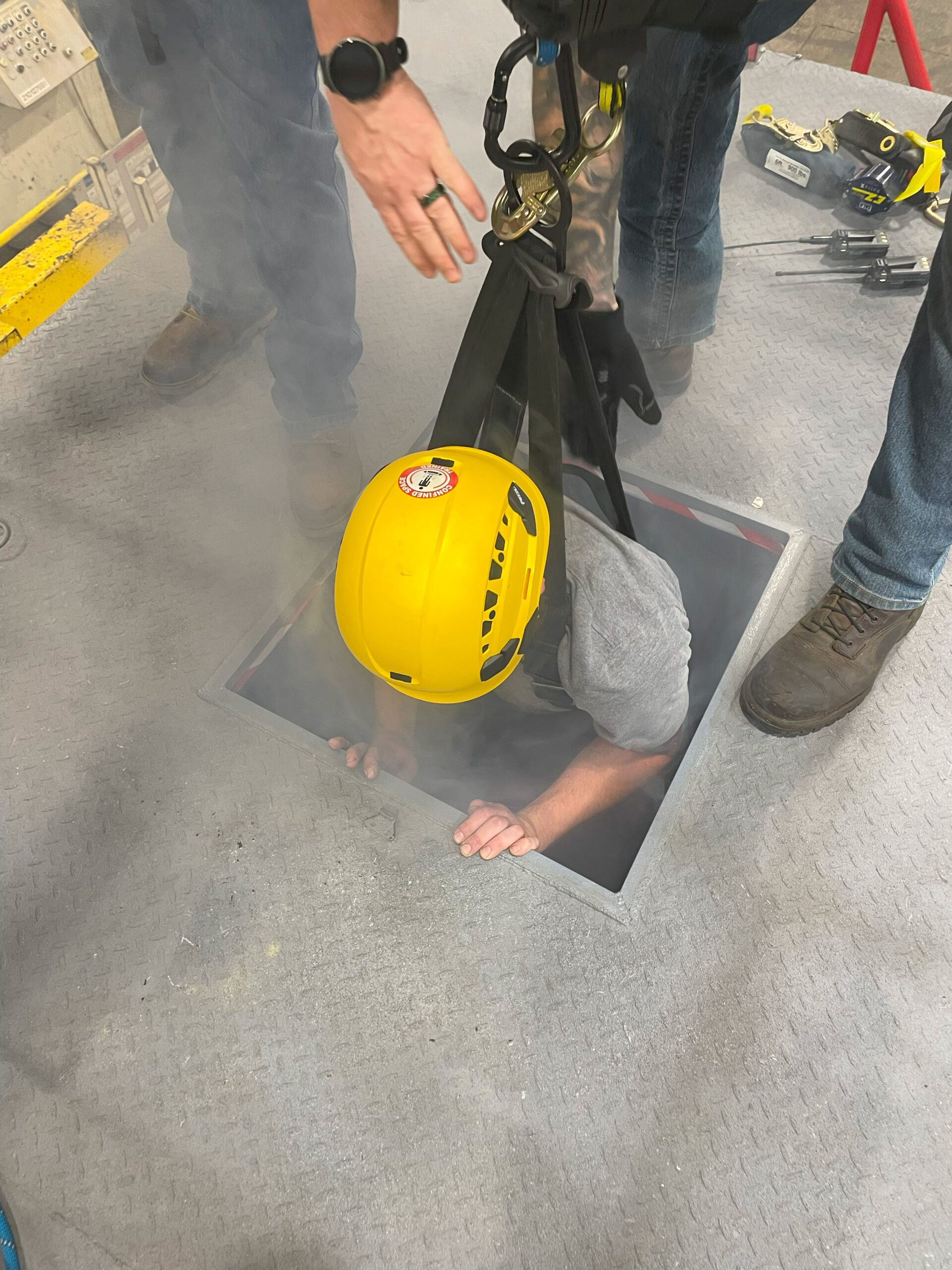
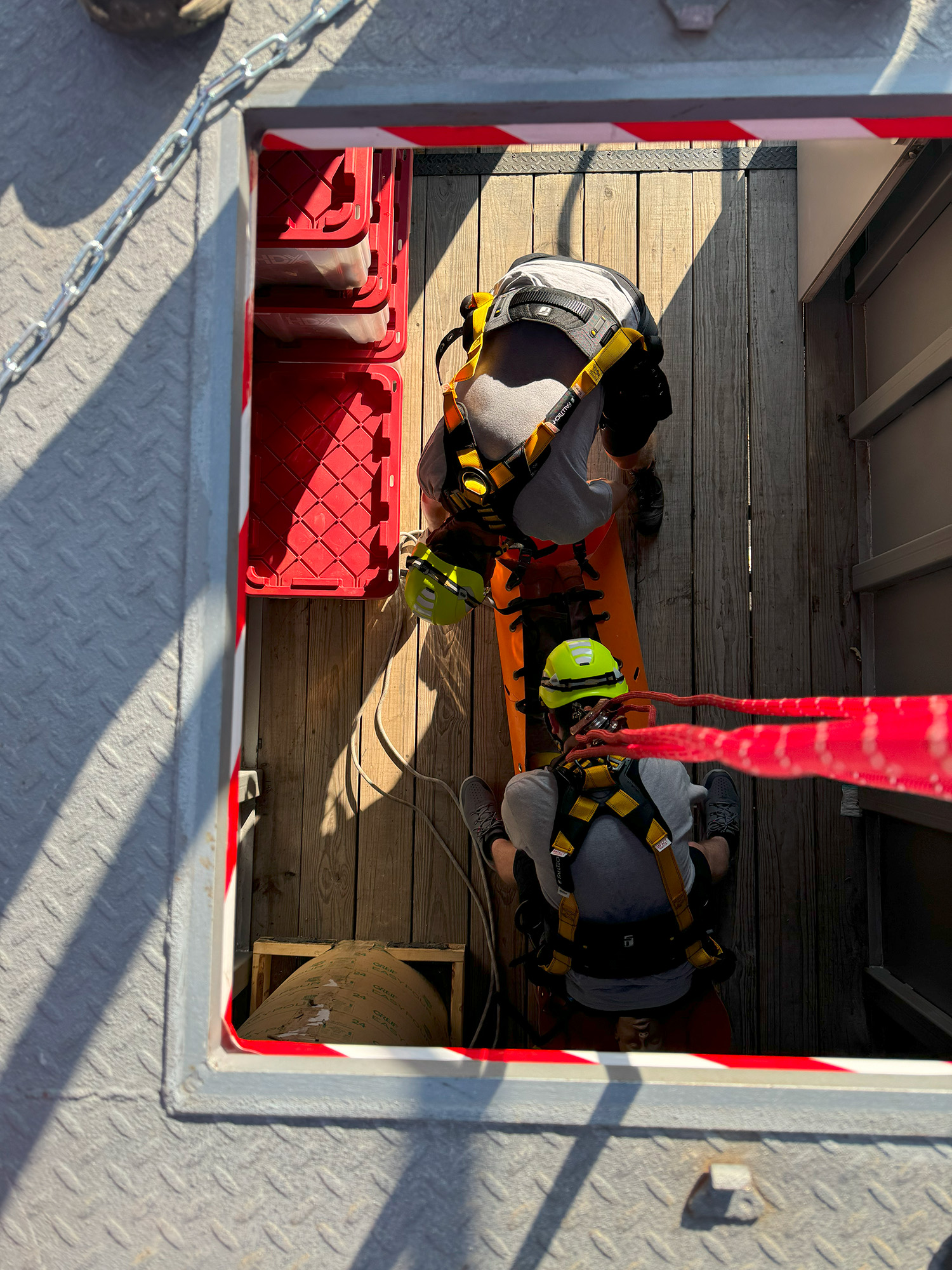
For employers with confined spaces, summer conditions can add another layer of concern. Permit-required confined spaces may already involve atmospheric hazards, configuration hazards, engulfment hazards, limited entry and exit, mechanical hazards, and rescue planning requirements.
Heat can increase the physical strain on entrants, attendants, and rescue personnel, especially when PPE, respiratory protection, ventilation equipment, retrieval systems, or extended work periods are involved.
Confined space training should clearly distinguish between:
- Authorized entrants
- Attendants
- Entry supervisors
- Atmospheric monitoring
- Ventilation procedures
- Isolation and lockout/tagout coordination
- Written entry procedures
- Rescue planning
- Standby rescue needs
Employers should never treat confined space entry as a routine task without proper evaluation, written procedures, trained personnel, and rescue planning. When permit-required confined space entry is involved, the employer must evaluate the specific space, hazards, job tasks, and applicable requirements.
Firefighter Safe provides confined space training and confined space standby rescue support for organizations that need professional, site-aware safety services.
PPE and Heat Burden Should Be Considered
PPE is essential for many job tasks, but it can also increase heat stress depending on the work environment, task duration, material, and level of physical activity. Respirators, chemical protective clothing, flame-resistant garments, coveralls, gloves, helmets, and other protective equipment can reduce the body’s ability to cool itself.
NIOSH recommends considering the type of PPE when developing work/rest cycles in workplaces where heat stress is a concern.
Employers should evaluate PPE-related heat burden as part of the broader safety plan. This may involve reviewing task scheduling, rest periods, hydration access, supervision, acclimatization, and emergency response procedures. PPE decisions should be made based on the hazard, applicable standards, employer policies, and site-specific requirements.
Acclimatization Is Especially Important for New and Returning Workers
New workers, temporary workers, seasonal employees, and employees returning after time away may be more vulnerable to heat-related illness. Their bodies may not yet be adjusted to hot working conditions.
NIOSH recommends gradually increasing exposure to hot environmental conditions over a 7- to 14-day period for acclimatization, with new workers generally needing more time than workers who have already had heat exposure.
Supervisors should understand that “experienced worker” does not always mean “heat-acclimatized worker.” Someone returning from vacation, medical leave, indoor work, or a cooler climate may need additional monitoring and gradual exposure.
What Should Be Included in Summer Workplace Safety Training?
A practical summer workplace safety training plan may include several key areas depending on the employer’s operations and hazards.
Heat Hazard Awareness
Employees should understand how to recognize heat-related concerns, report symptoms, follow hydration and rest procedures, and respond when a coworker may be in distress.
First Aid, CPR, and AED Response
Workers should know who is trained, where equipment is located, how to activate emergency medical services, and how to respond within the limits of their training.
Emergency Action Plan Review
Summer is a good time to review evacuation routes, emergency communication procedures, severe weather plans, assembly areas, and response roles.
Fire Extinguisher Training
Employees who may be expected to use fire extinguishers should receive proper instruction on extinguisher selection, limitations, and safe response conditions.
Confined Space and High-Hazard Work Review
Employers with confined spaces, hazardous materials, hot work, respiratory protection, or high-risk operations should review site-specific procedures and training expectations.
Supervisor Training
Supervisors play a critical role in recognizing hazards, adjusting work practices, communicating expectations, and initiating emergency response procedures.
Building a Stronger Safety Culture During Summer
Summer workplace safety training should not be treated as a one-time message. It should support a safety culture where employees are encouraged to speak up, report concerns, follow procedures, and take emergency response seriously.
Strong safety cultures are built through:
- Clear expectations
- Practical training
- Visible leadership support
- Consistent communication
- Accessible emergency equipment
- Regular inspections and refreshers
- Job-specific hazard awareness
- Prepared supervisors and employees
Training does not eliminate every risk, and it does not replace employer-specific safety programs. However, professional instruction can help employees understand recognized hazards, respond with more confidence, and support a more prepared workplace.
Why Choose Firefighter Safe for Summer Workplace Safety Training?
Firefighter Safe brings real-world emergency response experience into workplace safety training. Our instructors include experienced firefighter, paramedic, emergency response, and safety professionals who understand what can happen when emergencies unfold in real work environments.
We help businesses and organizations with training and services such as:
- CPR/AED training
- First Aid training
- Fire Extinguisher Training
- Confined Space Training
- Confined Space Rescue and Standby
- HAZWOPER Training
- Fire Brigade Training
- Active Shooter Training
- AED services
- Fit testing
- Mock OSHA audits
- Eyewash station service
- Workplace safety support
Firefighter Safe serves businesses in Dayton, Cincinnati, Columbus, and organizations across the United States. Training can be tailored to the workplace, job tasks, hazards, and preparedness goals of the organization.
FAQ: Summer Workplace Safety Training
What is summer workplace safety training?
Summer workplace safety training helps employees understand seasonal hazards such as heat stress, dehydration, first aid incidents, fire risks, emergency response needs, and job-specific safety concerns that may become more significant during warmer months.
Is heat safety training required by OSHA?
Requirements can depend on the workplace, industry, job tasks, exposure conditions, and applicable standards. OSHA identifies heat as a serious workplace hazard and continues to provide guidance, enforcement emphasis, and rulemaking activity related to heat injury and illness prevention. Employers should evaluate their specific hazards and verify requirements against current OSHA guidance, applicable standards, and their written safety programs.
Who needs summer safety training?
Summer safety training can benefit outdoor workers, construction teams, warehouse employees, manufacturing teams, public works crews, maintenance workers, event staff, school employees, healthcare support staff, and any workplace where heat, physical work, emergency response, or seasonal hazards may be present.
Why should CPR and AED training be part of summer preparedness?
CPR and AED training helps employees recognize potential cardiac emergencies, activate emergency medical services, begin CPR when trained, and use an AED when available. This supports workplace emergency readiness and helps employees respond more confidently during a serious medical emergency.
How often should employers review summer safety procedures?
Employers should review safety procedures before seasonal conditions change, when job tasks or staffing change, after incidents or near misses, and whenever workplace hazards or procedures are updated. Refresher training should align with employer policy, applicable standards, job duties, and site-specific needs.
Prepare Your Team for Summer Workplace Emergencies
Summer can bring additional workplace hazards, but preparation makes a difference. Employees should know how to recognize heat concerns, respond to injuries, locate emergency equipment, follow the emergency action plan, and communicate quickly when help is needed.
Firefighter Safe provides professional, hands-on safety training for employers that want practical instruction from experienced emergency response and safety professionals.
Contact Firefighter Safe today to schedule summer workplace safety training for your team in Dayton, Cincinnati, Columbus, or anywhere across the United States.