
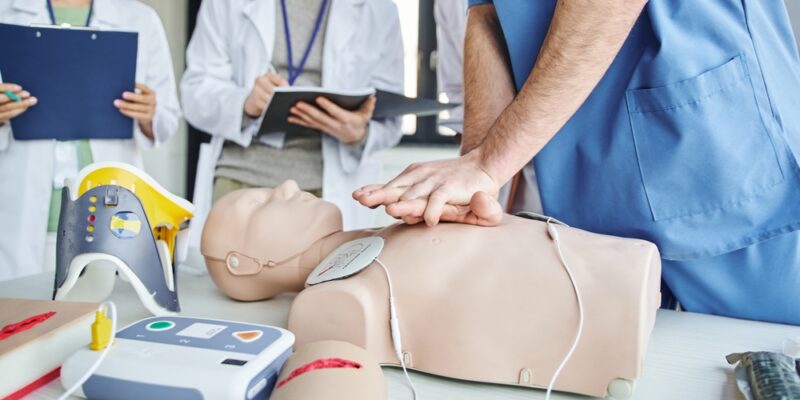
Debunking Myths About CPR: What You Should Really Know
When someone’s life is on the line, performing CPR can make all the difference. Yet, despite its life-saving potential, there are many misconceptions about CPR that discourage people from learning or performing it. Let’s set the record straight and debunk some common myths about CPR so you can feel confident if ever faced with an emergency.
Myth #1: CPR is Only for Medical Professionals
The Truth: Anyone can and should learn CPR.
While medical professionals are trained to perform CPR, it’s designed to be simple enough for anyone to learn and execute. Many CPR courses are tailored to laypersons and focus on essential, easy-to-follow steps. Immediate action by a bystander can double or even triple the chances of survival in cardiac arrest situations.
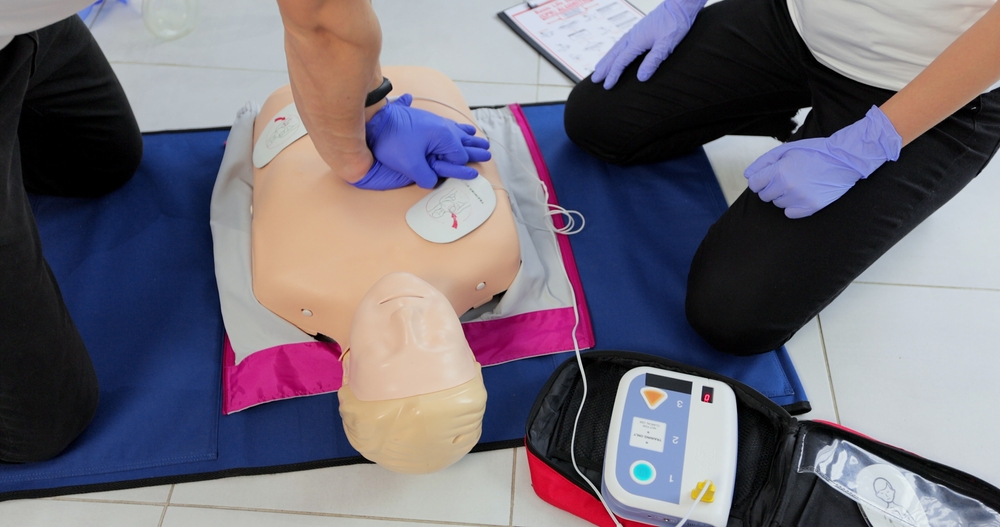

Myth #4: If the Heart Stops, It’s Too Late
The Truth: CPR buys time until professional help arrives.
When the heart stops, every second counts. CPR keeps oxygenated blood circulating to vital organs, especially the brain and heart, until advanced medical care can restart the heart. Performing CPR can double or even triple the likelihood of survival.
Myth #5: CPR Certification Takes Too Much Time and Effort
The Truth: CPR training is quick, affordable, and widely available.
Many CPR courses can be completed in just a few hours, and some even offer online components. Certification programs are offered through organizations like the American Heart Association (AHA) and the Red Cross, making it easy to fit training into your schedule. Plus, the skills you learn could one day save a life.
Myth #6: Calling 911 is Enough
The Truth: Emergency responders may not arrive in time to save a life.
While calling 911 is crucial, the average response time for emergency medical services is 7-10 minutes. During cardiac arrest, every minute without intervention decreases the chances of survival by 10%. By starting CPR immediately, you can make a life-saving difference while waiting for help to arrive.
Myth #7: CPR is Always Successful
The Truth: CPR increases survival chances but isn’t guaranteed.
CPR doesn’t always lead to recovery, but it dramatically improves the odds of survival in cardiac arrest cases. Without intervention, survival rates are close to zero. By performing CPR, you give the victim a fighting chance they wouldn’t have otherwise.